
Dog Owners: Vet Aligned Immune Support That Beats Marketing Hype

Prioritize a complete, life-stage appropriate diet, gut health, and regular veterinary care. Targeted supplements can help when a vet approves them, but they’re adjuncts, not replacements. Eden, drawing on veterinary sources and product research from PetGev, breaks down what genuinely moves the needle for canine immune health versus what’s just clever packaging.
TL;DR:
- Maintaining a healthy weight through diet and exercise is more effective for immune support than relying solely on supplements or special foods.
- Probiotics formulated specifically for dogs can enhance gut health, which houses up to 90% of the immune system, especially during stress or illness.
- Vitamins C and E show limited benefits, while omega-3 fatty acids have stronger support for reducing inflammation and supporting overall immune function.
- Routine parasite prevention and accurate vaccination timing are crucial, especially for immunocompromised dogs, to prevent resource-draining infections.
- Consolidated daily supplements, like vet-formulated chews, improve consistency and adherence but should supplement, not replace, fundamental care practices.
Table of Contents
- Building Dog Immune Support Into a Daily Routine
- How Does Gut Health Affect a Dog’s Immune System?
- Which Supplements Actually Have Evidence Behind Them?
- When Should You Take Your Dog to the Vet About Immune Health?
- Meet the Author Behind This Guide
- Why the Supplement Conversation Usually Gets This Backwards
- A Simpler Way to Cover the Fundamentals Daily
- Sources
- FAQ
Building Dog Immune Support Into a Daily Routine
Immune health isn’t built in a single meal or one good vet visit. It’s built daily, through decisions that seem almost boring: what’s in the bowl, how much exercise happens, whether parasite prevention stays on schedule.
Start with food. A diet that meets AAFCO life-stage standards, whether for puppies, adults, or seniors, gives a dog’s body the raw materials it needs for immune cell production and repair. Treats and table scraps should stay under 10% of total daily calories; anything more starts crowding out the nutrients from the complete diet. Hill’s Pet notes that nutrition, exercise, and weight control are the strongest routine levers for immunity, stronger than any supplement on the shelf.
Weight matters more than most owners realize. Excess body fat produces inflammatory compounds that can dampen immune response over time, so keeping a dog at an ideal body condition score is itself a form of immune support.
Here’s a practical daily and periodic checklist:
- Feed a complete, life-stage appropriate food and keep extras under 10% of calories
- Maintain 20 to 60 minutes of physical activity daily, adjusted for breed and age
- Add mental enrichment (puzzle feeders, new walking routes) to reduce stress hormones that suppress immunity
- Keep a consistent sleep schedule in a low-stress environment
- Stay current on core vaccinations and titers as your vet recommends
- Maintain year-round flea, tick, and heartworm prevention, since parasites drain immune resources fighting off infestation
Pro Tip: Set a recurring phone reminder for parasite prevention refills. Missed doses are one of the most common, and most preventable, gaps in a dog’s immune defense.
Routine vaccination deserves a specific mention here. It doesn’t just prevent named diseases, it trains the immune system to recognize threats faster, which matters more as dogs age and their immune response naturally slows down.
How Does Gut Health Affect a Dog’s Immune System?
The gut is where most of the immune system actually lives. Cornell University’s College of Veterinary Medicine puts the figure at roughly 70 to 90% of the immune system associated with the gastrointestinal tract. That statistic alone explains why gut health gets so much attention in canine wellness circles, and why probiotics show up in nearly every immune conversation.
Canine-specific probiotics can help, particularly for dogs dealing with diarrhea, high stress, or recovering from chemotherapy. Cornell’s research on probiotics shows they can increase beneficial short-chain fatty acids and crowd out pathogenic bacteria in the gut. The key word is canine-specific: human probiotic products aren’t formulated for a dog’s gut microbiome and shouldn’t be substituted.
Whole foods can support gut health too, in moderation:
- Blueberries and other berries can provide antioxidants
- Carrots, raw or steamed, for fiber and beta-carotene
- Red bell pepper, in small amounts, can provide vitamin C
Keep any of these under the 10% treat allowance mentioned earlier. Raw diets deserve a caveat: they carry bacterial contamination risks that are especially dangerous for immunocompromised dogs, so ask your vet before switching formats. Probiotics are worth discussing with your vet if your dog has ongoing GI issues, is under chronic stress, or is undergoing treatments like chemotherapy that disrupt normal gut flora.
Which Supplements Actually Have Evidence Behind Them?
The honest answer: fewer than the pet supplement aisle suggests. A 2024 literature review examining vitamins, minerals, and phytonutrients in canine immune function found limited in vivo evidence overall. Only two studies showed modest benefits, and those were for vitamins C and E specifically. Organic mineral forms may outperform inorganic ones, but the research base is thin.
Here’s how the major categories stack up:
- Vitamins C and E: Modest evidence from a small number of studies. Not harmful at appropriate doses, but not a proven immune fix either.
- Omega-3 fatty acids (EPA/DHA): Stronger clinical rationale. Hill’s Pet notes their anti-inflammatory properties support skin, coat, and joint health, with plausible immune benefits from reduced systemic inflammation. Always check the product for purity and contaminant testing.
- Colostrum, phytonutrients, and mushroom extracts: Promising in early research, but clinical proof is limited and product quality varies widely between brands.
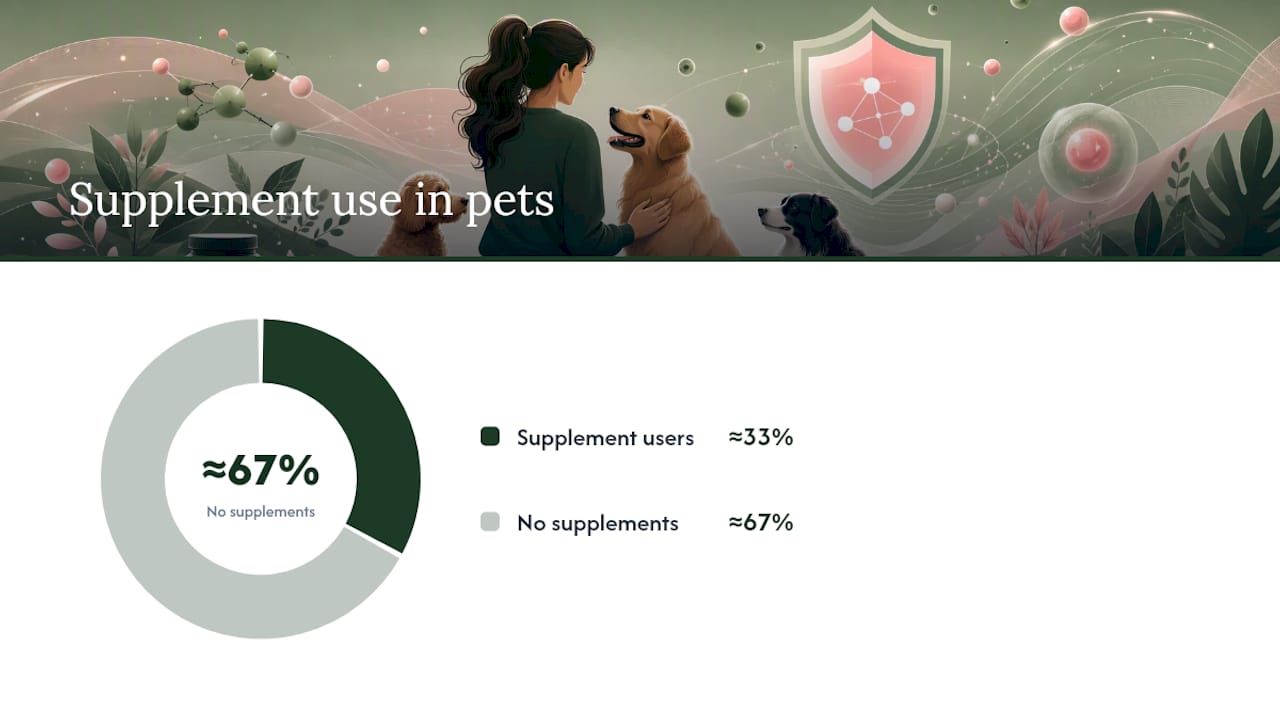
Roughly a third of pets already receive some form of supplement alongside their regular diet, which makes vet oversight more important, not less. Most dogs eating a complete commercial diet don’t need routine multivitamins.
Pro Tip: Before adding any supplement, confirm your dog’s baseline diet is already AAFCO complete. Layering supplements onto an already-balanced diet is redundant; layering them onto a deficient one is a band-aid, not a fix.
Ask your vet about drug interactions before starting anything new, especially if your dog takes daily medication. PetMD’s veterinary panel is blunt about this: there’s no single best immune supplement for every dog. What works depends on age, breed, and medical history.
When Should You Take Your Dog to the Vet About Immune Health?
Certain signs warrant a vet visit rather than a supplement purchase. Watch for recurrent infections, wounds that heal slowly, sudden unexplained weight loss, chronic GI symptoms, or any severe allergic reaction.
Dogs on immunosuppressive drugs, undergoing chemotherapy, or pregnant need a different risk calculation entirely. Supplement timing and safety change under those conditions, and self-dosing without guidance can backfire.
Come prepared. Bring:
- Your dog’s current food label
- A list of all supplements and medications
- Photos of any visible symptoms
Ask specifically about bloodwork (a CBC and biochemistry panel), whether a therapeutic diet makes sense, and what a monitoring plan looks like going forward.
Meet the Author Behind This Guide
This article was written by Eden for PetGev, drawing on veterinary literature covering canine immune development across life stages, including how puppies depend heavily on maternal colostrum and how senior dogs experience immunosenescence, a natural slowing of immune response with age.
PetGev’s Healthy Aging Chews are formulated by veterinarians and pack 14 ingredients targeting joint mobility, heart and liver health, brain function, energy, immune defense, skin and coat vitality, and cellular antioxidant support, all in one daily chew. The goal is consolidation: replacing up to seven separate products with one. Full ingredient breakdowns and formulation rationale live on the PetGev science page.
One honest caveat worth repeating: chews like these are adjuncts to good care, not substitutes for it. Diet, exercise, parasite prevention, and your veterinarian’s judgment still come first.
Why the Supplement Conversation Usually Gets This Backwards
Most immune health content leads with supplements and treats diet, exercise, and vet care as an afterthought. That ordering is backwards, and it costs owners money on products that were never going to move the needle much.
The evidence is clear enough: gut health and complete nutrition do more heavy lifting than any pill or chew, and the 2024 literature review on canine supplements should humble anyone making bold immune claims. That’s not an argument against supplements. It’s an argument for sequencing them correctly, after diet, exercise, weight control, and parasite prevention are already solid.
Where a well-formulated daily chew earns its place is convenience and consistency. A dog owner juggling five separate bottles is far more likely to skip doses than one giving a single daily chew. That’s a real behavioral advantage, not a clinical one, and it’s worth being honest about the difference.
Prioritize the fundamentals first. Let supplements fill genuine gaps your vet identifies, not gaps a marketing page invented.
— Eden
A Simpler Way to Cover the Fundamentals Daily
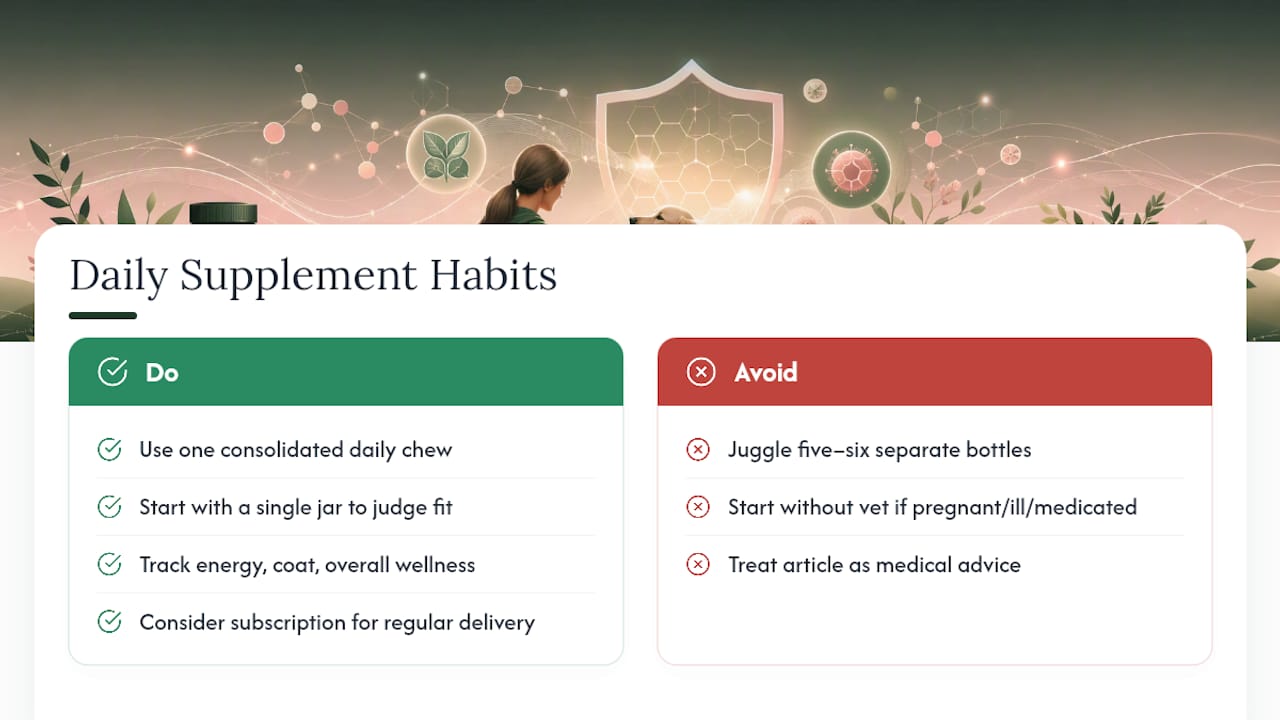
Juggling five or six separate bottles every morning is exactly the kind of routine that falls apart by week three. PetGev’s Healthy Aging Chews consolidate 14 vet-formulated ingredients, covering immune support alongside joint, heart, brain, and energy needs, into one daily treat your dog actually wants to eat.
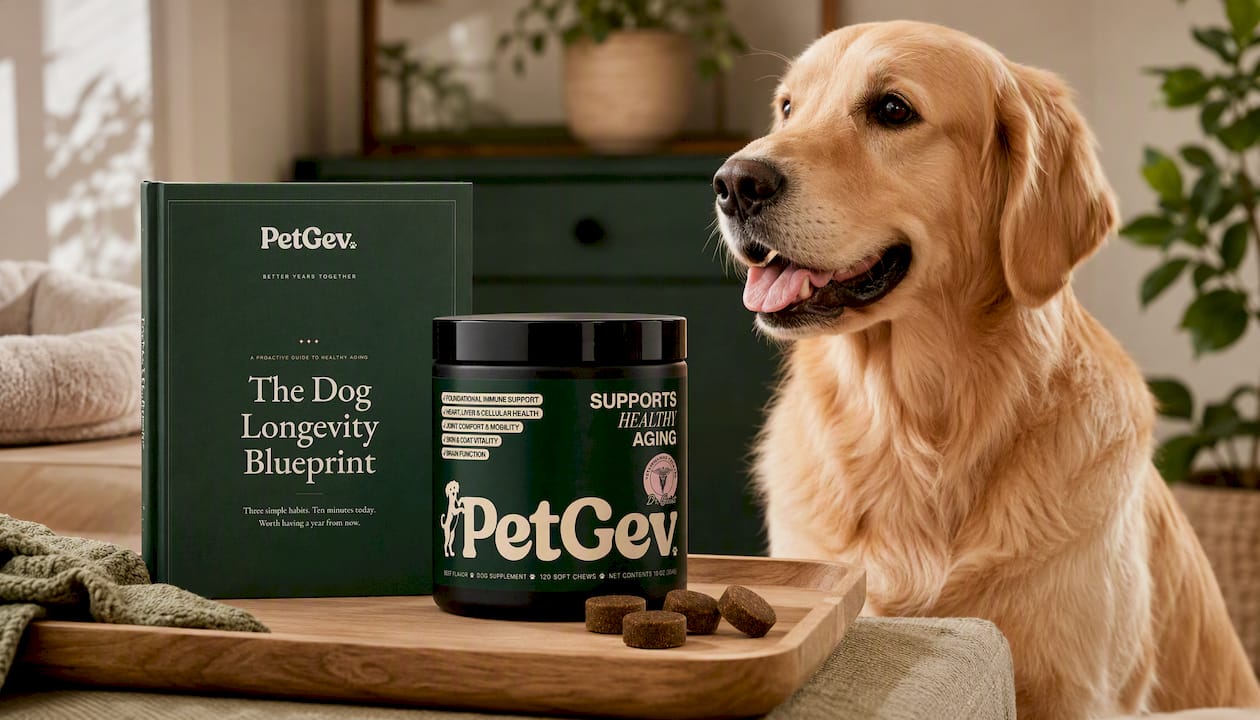
They’re built for owners who want consolidated, vet-formulated daily support without the pill-organizer approach to pet care. If your dog is pregnant, immunocompromised, or on ongoing medication, talk to your vet before starting any new chew or supplement, the same caution that applies to any product discussed in this guide. For most healthy adult and senior dogs, starting with a single jar and tracking energy, coat quality, and overall wellness over a few weeks is a reasonable way to judge fit.
Subscription options may be available for regular deliveries to help owners avoid reordering each month. For a more structured, longer-term approach to healthy aging, the Dog Longevity Blueprint lays out a fuller plan beyond daily nutrition alone.
This article is general information, not a substitute for advice from a qualified doctor. Consult a qualified healthcare professional about your own circumstances before acting on anything here.
Sources
- Vitamins, minerals and phytonutrients as modulators of canine immune function: a literature review (2024)
- Diets to boost immunity | Cornell University College of Veterinary Medicine
- Major changes in the dog´s immune system lifelong (review, 2019)
FAQ
How can I boost my dog’s immune system?
Feed a complete, life-stage appropriate diet, maintain a healthy weight, provide daily exercise, keep parasite prevention and vaccines current, and support gut health with canine-specific probiotics when your vet recommends them.
What is the best immune supplement for dogs?
There’s no single best option. Veterinary panels emphasize matching supplements to a dog’s age, breed, and medical history, with omega-3 fatty acids and canine-specific probiotics having the strongest practical backing.
What is a silent killer for dogs?
Chronic, low-grade issues like parasite infestations, dental disease, and obesity often go unnoticed until they’ve already strained a dog’s immune system, which is why routine prevention and regular vet checkups matter more than reactive treatment.
What are some good immune boosters for dogs?
A complete AAFCO-standard diet, regular exercise, canine-specific probiotics, and omega-3 fatty acids all have credible support. Consolidated options like PetGev’s Healthy Aging Chews simplify covering several of these at once in a single daily treat.
